Dog Exercise Calculator
Affiliate links on this page are marked (paid link); BreedTools may earn a commission at no extra cost to you.
How much exercise does a dog need?
Exercise is one of the most important factors in a dog's physical and mental health. Too little leads to obesity, behavioral problems, and a shorter lifespan. Too much — especially in puppies, seniors, or dogs with health conditions — can cause joint damage, exhaustion, or heatstroke.
The right amount depends primarily on your dog's breed energy level and age. A young Border Collie needs several times more daily exercise than a senior Bulldog. This calculator accounts for those differences and builds a practical daily plan.
Exercise needs by breed energy level
| Energy Level | Daily Minutes | Example Breeds | Best Activities |
|---|---|---|---|
| Low–moderate | 30-45 min | Cavalier King Charles, Whippet, Corgi, Miniature Schnauzer | Short walks, gentle play, sniffing |
| High | 60-90 min | Labrador, Golden Retriever, German Shepherd, Siberian Husky, Dalmatian | Walks, fetch, swimming, moderate hikes |
| Very high | 90-120 min | Border Collie, Australian Shepherd, Belgian Malinois, Vizsla, Weimaraner | Running, agility, long hikes, fetch, frisbee |
| Working & sport | 120-180 min | Sled, field-trial and sport dogs in training — above published guidance for pets | Distance running, bikejoring, field work, intensive training |
This calculator's bands, named and exampled like our exercise guide. Published guidance: 30 minutes to 2 hours a day (Preventive Vet); less active breeds 30–60, high-energy breeds 60–90 (Small Door Veterinary). The 120–180 band exceeds the 2-hour top of published guidance.
Published guidance to compare against: Small Door Veterinary and Preventive Vet. Breeds by daily minutes are in our exercise guide.
Age adjustments matter
A dog's exercise needs change dramatically over their lifetime. Puppies need surprisingly little structured exercise — the Royal Kennel Club's rule of thumb is five minutes of formal exercise per month of age, up to twice a day, until they are fully grown — because their growing bodies are vulnerable to joint and bone damage from over-exertion. Young adults are at peak energy and can handle the most demanding routines. Seniors need gentler, shorter sessions with more rest between activities.
| Age Group | Adjustment | Key Considerations |
|---|---|---|
| Puppy (under 1 year) | ~60% of adult needs | 5 min of formal exercise per month of age, up to twice daily. Avoid repetitive impact exercise. Soft surfaces preferred. |
| Young Adult (1-3 years) | ~110% of adult needs | Peak energy period. Can handle longer and more intense sessions. Great time for training sports. |
| Adult (3-7 years) | 100% (baseline) | Consistent daily routine. Adjust based on individual fitness and body condition. |
| Senior (7+ years) | ~65% of adult needs | Low-impact only, in two or three shorter sessions. Swimming is excellent. Watch for arthritis signs. |
What this calculator applies (its own model). The 5-minutes-per-month figure is The Royal Kennel Club's rule of thumb for formal exercise, up to twice a day; free play is extra. It is not based on a study (Preventive Vet). Seniors: two or three shorter sessions (Preventive Vet).
Signs your dog needs more exercise
Under-exercised dogs often communicate their frustration through behavior. Watch for: destructive chewing, excessive barking, hyperactivity indoors, digging, pacing, attention-seeking behavior, and weight gain despite proper feeding. These are not "bad dog" problems — they're usually exercise deficiency problems.
Signs your dog is over-exercised
Pushing a dog too hard is equally dangerous. Warning signs include: reluctance to go on walks, excessive panting that doesn't resolve with rest, stiffness or limping after exercise, sleeping significantly more than usual, and weight loss. If you see these signs, reduce exercise intensity and duration and consult your vet.
Disclosure: As an Amazon Associate I earn from qualifying purchases. Links marked (paid link) are affiliate links, including Chewy affiliate links — buying through them supports BreedTools and adds nothing to your price, and it never changes what we recommend. Full affiliate disclosure
Enrichment and walk gear that fits the plan
Mental work counts toward the total, and every hot-weather session needs water within reach.
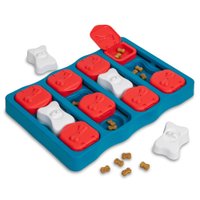
Outward Hound Nina Ottosson Dog Brick treat puzzle
Mental exerciseThe standard level-2 treat puzzle: twenty compartments the dog has to slide, flip and lift to empty. A rainy-day or hot-midday session that genuinely tires a dog out — fill it with part of the day's kibble rather than extra treats.
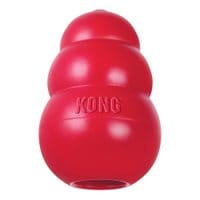
KONG Classic stuffable dog toy
Food-dispensing toyThe adult version of the KONG Puppy: natural rubber you stuff with food and freeze for a longer session. Pick the size for your dog's weight on the listing — a toy that is too small for a strong chewer is a swallowing risk.
Kurgo Zippy Bowl collapsible travel dog bowl, 48 oz
Water on every walkA 48 oz silicone bowl that zips flat and clips to the lead or a belt loop — the practical answer to "bring water on every walk" in the heat warnings above.
More puzzle toys and enrichment
Compare puzzle levels, snuffle mats and food-dispensing toys.
Sources: The Royal Kennel Club, “Puppy and dog walking tips” (five minutes of formal exercise per month of age, up to twice a day, until fully grown); Preventive Vet, “How much exercise does your dog need?” (30 minutes to two hours a day; seniors at least 30 minutes in two or three sessions; the five-minute rule is not based on a study); Small Door Veterinary, “Exercise needs for puppies, adults and senior dogs” (less active breeds 30–60 minutes, high-energy breeds 60–90; flat-faced breeds have a lower tolerance and even 10 minutes in the sun on a hot day can be too much); VCA Animal Hospitals, “Heat stroke in dogs” (signs; brachycephalic breeds at greater risk; cool, not cold, water over the head, stomach, armpits and feet; do not cover the dog with wet cloths); and the AKC, “How to protect dog paws from hot pavement” (Dr Jerry Klein: hold your hand on the pavement for ten seconds; 85°F and above). The age, health, weather and weight multipliers are this calculator's own model.
Dog exercise FAQs
1How much exercise does a dog need per day?
It depends on breed, age, and health. Published guidance runs from about 30 minutes a day for low-energy breeds to 60–90 minutes for high-energy breeds such as Labradors and Huskies; this calculator's top bands add 90–120 minutes for the most driven herding and sporting breeds, such as Border Collies and Belgian Malinois, and 2 hours or more for working and sporting dogs in training. Puppies and seniors need shorter, gentler sessions.
2Can you over-exercise a puppy?
Yes, and it's a common mistake. Puppies have developing bones, joints, and growth plates that can be permanently damaged by too much exercise. A widely used guideline is 5 minutes of structured exercise per month of age, up to twice per day. A 4-month-old puppy should get no more than about 20 minutes per session. Free play on soft surfaces is generally safer than forced running or long walks.
3How do I know if my dog is getting enough exercise?
A well-exercised dog is calm and relaxed at home, sleeps well, maintains a healthy weight, and doesn't exhibit destructive behaviors like excessive chewing, digging, or barking. If your dog is restless, hyperactive indoors, or gaining weight despite a proper diet, they likely need more physical activity.
4Is it safe to exercise my dog in hot weather?
Exercise in heat requires caution. Avoid midday exercise on hot or humid days — dogs cool mainly by panting. Walk in the early morning or late evening. Pavement: the AKC's test is to hold your hand on it for ten seconds — if you cannot, it is too hot for paws — and it warns that at 85°F (29°C) or above pavement may not cool enough to be safe. Bring water, watch for heavy panting or stumbling, and never leave your dog in a parked car.
5What exercise is best for senior dogs?
Senior dogs benefit most from low-impact exercise: gentle leash walks, swimming, slow-paced sniff walks, and light play. Avoid running on hard surfaces, jumping, and intense fetch sessions. Shorter, more frequent walks are better than one long outing. Always let your senior dog set the pace and stop if they show signs of fatigue.
6Should brachycephalic (flat-faced) breeds exercise less?
Yes. Breeds like Bulldogs, Pugs, and French Bulldogs have compromised airways that make breathing harder during exertion. They overheat quickly and are at higher risk of heatstroke. Keep exercise sessions short, low-intensity, and avoid hot or humid conditions. Watch for excessive snorting, gagging, or blue-tinged gums — these are signs to stop immediately.
7Does mental exercise count toward my dog's daily needs?
Absolutely. Mental stimulation through training sessions, puzzle toys, scent work, and food-dispensing toys can tire a dog as effectively as physical exercise. A short training session or puzzle toy can tire a dog as much as a longer walk. The best exercise plans combine both physical and mental activities.
8How do I exercise my dog when it's raining or very cold?
Indoor options include hallway fetch, tug-of-war, hide-and-seek with treats, stair climbing, and puzzle feeders. Training sessions are excellent indoor exercise because they engage both the mind and body. For dogs that tolerate gear, a waterproof coat and booties allow short outdoor walks in most weather. Dog-friendly indoor play facilities are also a good option in areas with long winters.