Standard Poodle Breed Overview
The Standard Poodle is one of the most versatile and intelligent breeds, excelling in conformation, obedience, agility, and increasingly in service and therapy work. Beyond the purebred market, Standard Poodles serve as the foundation for the majority of "doodle" crossbreeds — Goldendoodles, Labradoodles, Bernedoodles, and others — creating sustained demand from multiple market segments.
Standard Poodles are a medium-to-large breed, typically weighing 45 to 70 pounds at maturity, with males trending larger. They are elegant, athletic dogs with a square build that reaches adult height by approximately twelve months but continues filling out until about eighteen months.
The breed's popularity in crossbreeding programs makes responsible health testing even more critical. Standard Poodles used in doodle programs should meet the same health clearance standards as those in purebred programs. Comprehensive health testing protects both purebred and crossbred offspring.
Breeding Considerations
The Poodle Club of America recommends a comprehensive set of health clearances for Standard Poodles. The breed has several unique health concerns that require specific DNA testing beyond the standard orthopedic and eye evaluations.
- OFA hips (minimum age 24 months)
- CAER eye exam (annual — required, not optional)
- vWD (von Willebrand Disease) DNA test
- Neonatal Encephalopathy (NE) DNA test
- Sebaceous Adenitis (SA) skin biopsy screening
- Cardiac evaluation
- Thyroid evaluation recommended
Von Willebrand Disease (vWD) is a bleeding disorder that can cause life-threatening hemorrhage during surgery or whelping. Type 1 vWD is most common in Poodles and is DNA-testable. Breeding two carriers together risks producing affected puppies — something entirely preventable with testing.
Neonatal Encephalopathy (NE) is a fatal neurological condition in newborn puppies, caused by an autosomal recessive gene. The DNA test is inexpensive and should be part of every Standard Poodle breeding panel. Sebaceous Adenitis (SA) is a progressive skin disease more prevalent in Standard Poodles than any other breed — skin punch biopsies are the recommended screening method.
Standard Poodle Pregnancy Overview
Standard Poodle pregnancies average sixty-three days from ovulation. The breed generally handles pregnancy well, maintaining good condition and activity throughout most of gestation. Progesterone testing at breeding improves whelping date accuracy.
Key fact
Standard Poodle Gestation Length
63 days from ovulation is average, but healthy deliveries from day 58–68 are well-documented.
Litter sizes typically range from five to eight puppies, though some litters are larger. Standard Poodles are generally free-whelping with low C-section rates. Their well-proportioned build and adequate pelvic width contribute to uncomplicated deliveries in most cases.
- Average gestation: 63 days from ovulation
- Typical litter size: 5–8 puppies
- Generally free-whelp with low complication rates
- Moderate growth rate — less intensive than giant breeds
- vWD status should be known before whelping (bleeding risk during delivery)
Important: If the dam is a vWD carrier or affected, your veterinarian should be informed before whelping. While Type 1 vWD carriers rarely have clinical problems, knowing the status allows preparation for potential bleeding complications.
Whelping Standard Poodle Puppies
Standard Poodle whelpings are generally uncomplicated. The breed's athletic build and proportionate puppy size mean most dams deliver naturally without assistance. However, as with any breed, veterinary backup should be arranged before the due window.
Standard Poodle dams tend to be attentive, calm mothers. Their intelligence and trainability extend to maternal behavior — most settle into nursing and puppy care readily. First-time dams sometimes benefit from a calm, quiet environment as they adjust.
Use the Whelping Date Calculator to plan your preparation timeline and the Whelping Supplies Checklist to ensure everything is ready.
Newborn Standard Poodle Puppy Care
Standard Poodle puppies typically weigh between 225 and 400 grams (8–14 oz) at birth. They are moderately-sized neonates with a steady, consistent growth rate — less explosive than giant breeds but requiring the same diligent monitoring.
Typical Birth Weight
Standard Poodle puppies grow steadily — daily weighing catches subtle changes that visual checks miss
Reference
Typical Birth Weights by Breed Size
Ranges are approximate. Individual litter variation is wide — trends matter more than targets.
Healthy Standard Poodle puppies should double their birth weight by seven to ten days. Daily weighing in the first two weeks is essential. Be especially vigilant for any signs of Neonatal Encephalopathy (NE) in the first week — affected puppies show weakness, inability to nurse, and failure to thrive.
The Animal Weight Tracker makes daily multi-puppy tracking straightforward, with comparison charts that help identify any individual falling behind the litter trend.
Standard Poodle Growth Expectations
Standard Poodles reach adult height by approximately twelve months but continue filling out in muscle and bone density until about eighteen months. Males tend to be noticeably larger than females. The ranges below represent general expectations.
| Age | Male (lbs) | Female (lbs) |
|---|---|---|
| 2 weeks | 1–2.5 | 1–2 |
| 4 weeks | 2.5–5 | 2–4 |
| 8 weeks | 7–12 | 6–10 |
| 12 weeks | 12–18 | 10–16 |
| 6 months | 28–40 | 24–35 |
| 12 months | 45–65 | 40–55 |
Standard Poodles reach adult height by ~12 months but fill out until ~18 months. Track individual puppies rather than comparing to population averages.
Health Issues Relevant to Breeding
- Hip dysplasia — Less prevalent than in some large breeds but still a concern. OFA evaluation before breeding is standard.
- Addison's disease — Hypoadrenocorticism is more common in Standard Poodles than in most breeds. It can be life-threatening if undiagnosed. Family history matters.
- Bloat / GDV — Standard Poodles are a deep-chested breed with elevated bloat risk. Awareness is important for breeding, whelping, and puppy buyer education.
- Epilepsy — Idiopathic epilepsy occurs with above-average frequency in the breed. Seizure history in related dogs should influence breeding decisions.
- Sebaceous Adenitis (SA) — A progressive skin disease uniquely prevalent in Standard Poodles. Skin punch biopsy is the screening method, as there is no DNA test.
- Progressive Retinal Atrophy (PRA) — Causes progressive vision loss. Both DNA testing and annual CAER exams are recommended.
For a complete overview, see our Health Testing Before Breeding guide.
Whelping preparation
Have these ready well before your Standard Poodle's due window.

Digital Gram Scale
Accurate gram-level weighing for daily newborn puppy monitoring.
View on Amazon →
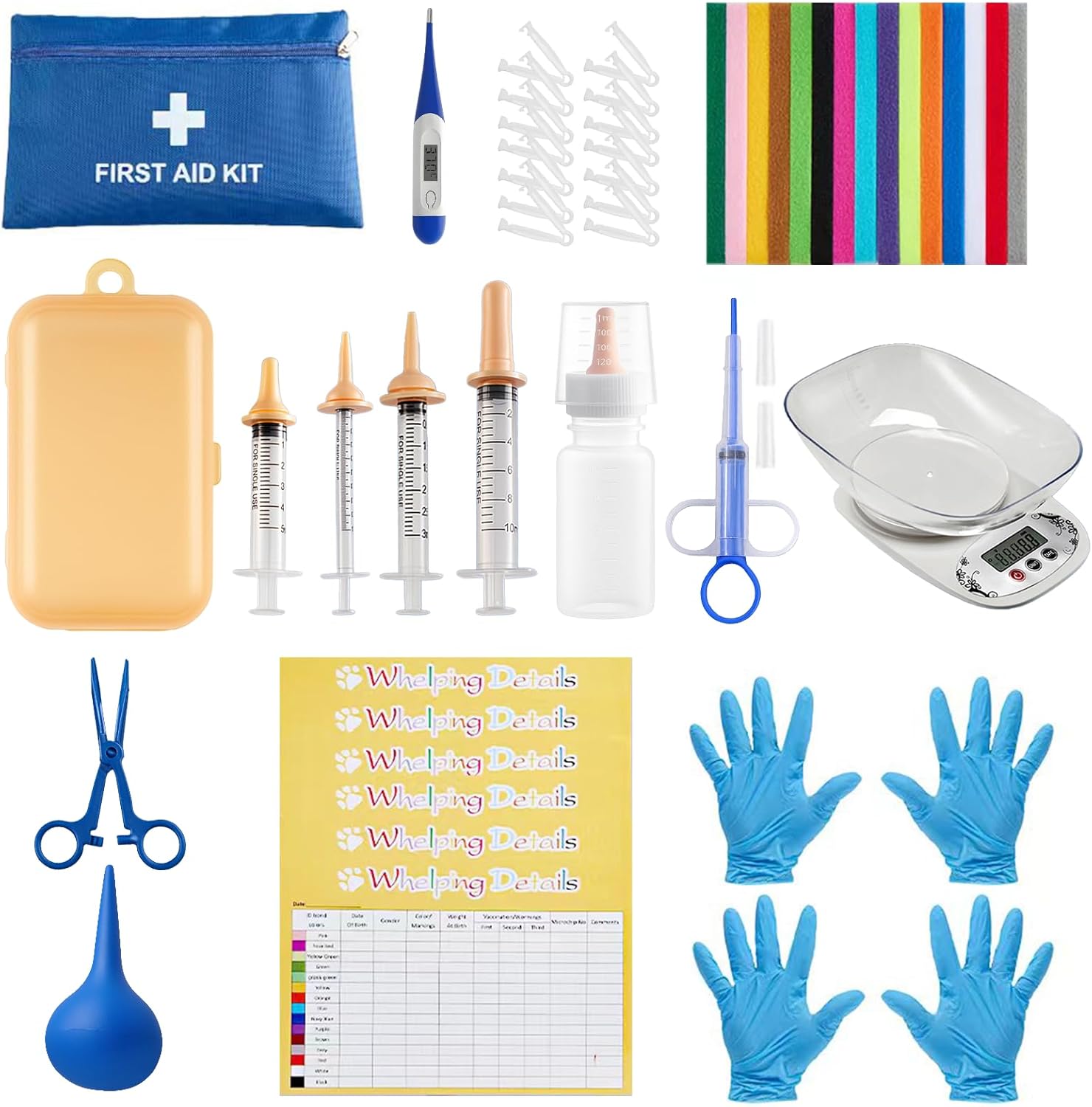
Complete Whelping Kit
Everything you need ready before the whelping window opens.
View on Amazon →
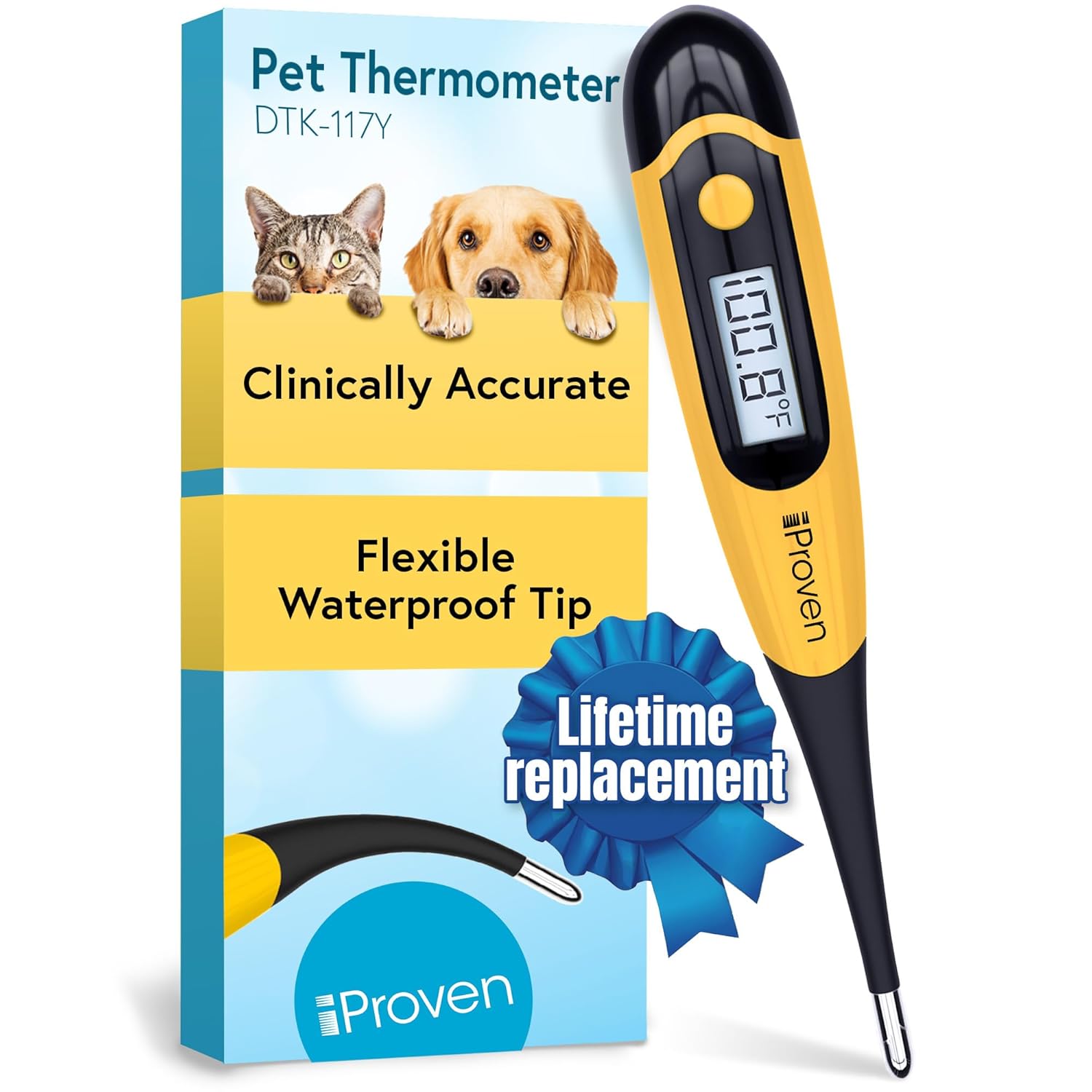
Digital Thermometer
Monitor temperature drops that signal labor is approaching.
View on Amazon →
As an Amazon Associate, BreedTools earns from qualifying purchases.
Frequently Asked Questions About Standard Poodle Breeding
Should Standard Poodles used for doodle crosses have the same health testing?
Absolutely. The health clearance standard should be identical regardless of whether the offspring will be purebred or crossbred. Health problems pass to crossbred puppies just as easily.
What is Neonatal Encephalopathy?
NE is a fatal neurological condition in newborn Poodle puppies. It is autosomal recessive and easily preventable through DNA testing — never breed two carriers together.
How many puppies do Standard Poodles typically have?
Five to eight is typical. Litters of ten or more are uncommon but do occur.
What is Sebaceous Adenitis and how is it screened?
SA is a progressive skin disease uniquely common in Standard Poodles. There is no DNA test — screening is done through skin punch biopsies, ideally between one and two years of age.
How big do Standard Poodles get?
Males typically reach 45–70 pounds, females 40–55 pounds. They reach adult height by about twelve months but continue filling out until eighteen months.
Why is the annual CAER eye exam important?
Unlike DNA tests that are done once, some eye conditions develop over time. Annual exams catch conditions like cataracts and PRA that may not be present in younger dogs.
Practical Record-Keeping for Standard Poodle Breeders
Standard Poodle breeders serving both purebred and crossbreed markets benefit from thorough documentation. Detailed weight records, health clearance documentation, and growth data demonstrate professionalism and support buyer confidence.
The Animal Weight Tracker handles multi-puppy tracking with comparison charts, timestamped entries, and notes — all stored locally in your browser with no account required.